anonymization.ai - Your sensitive documents. AI-ready.
Open to any AI, without vendor lock-in.
anonymization.ai prepares your sensitive data—anonymized or pseudonymized, depending on the purpose - and returns it to you as a clean foundation: for your operational AI processes today and your own development tomorrow. Any AI, any use case, no model and no vendor lock-in in between. On-premise deployment possible, without data ever leaving your system. Based on nearly 20 years of NLP engineering.
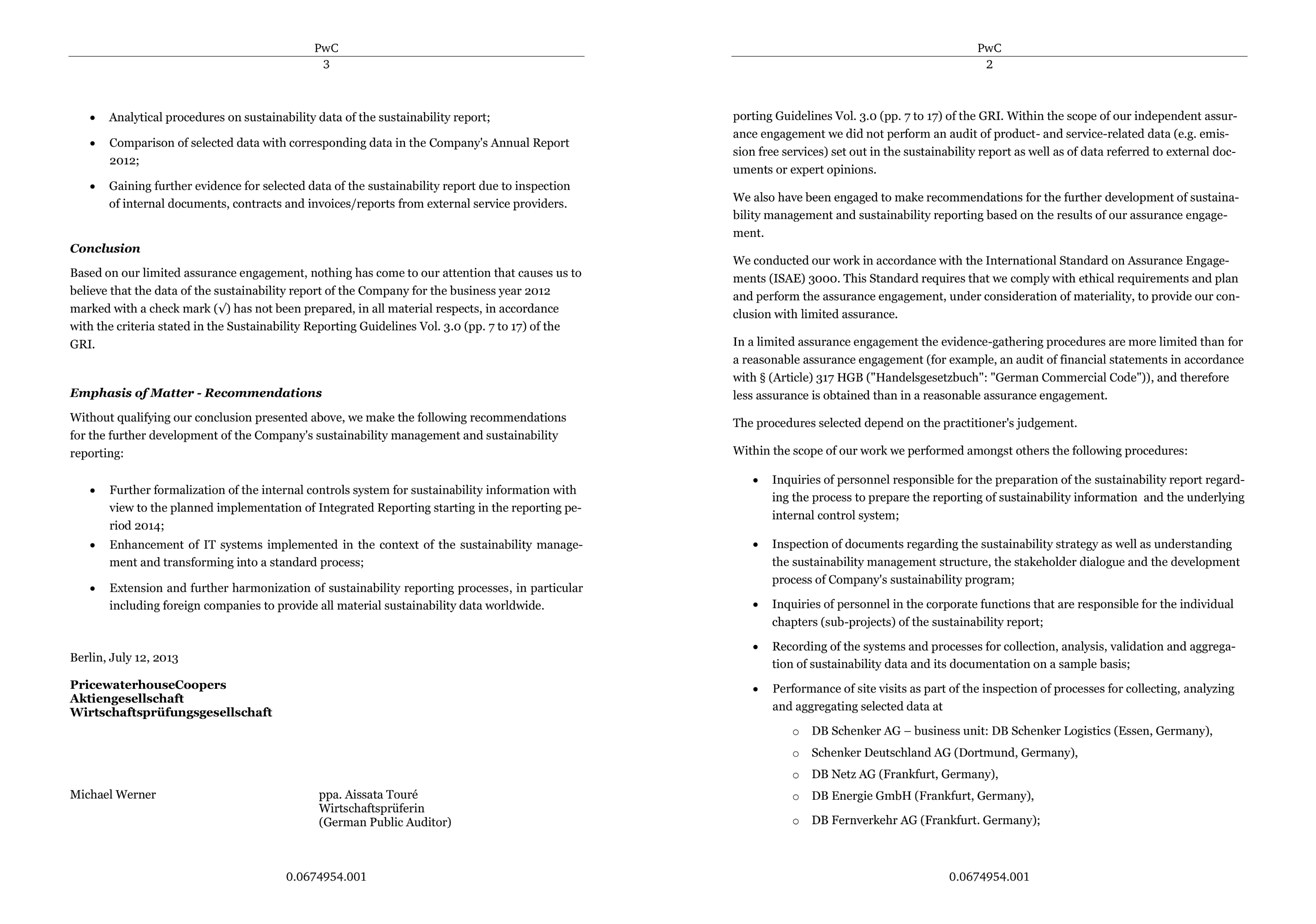
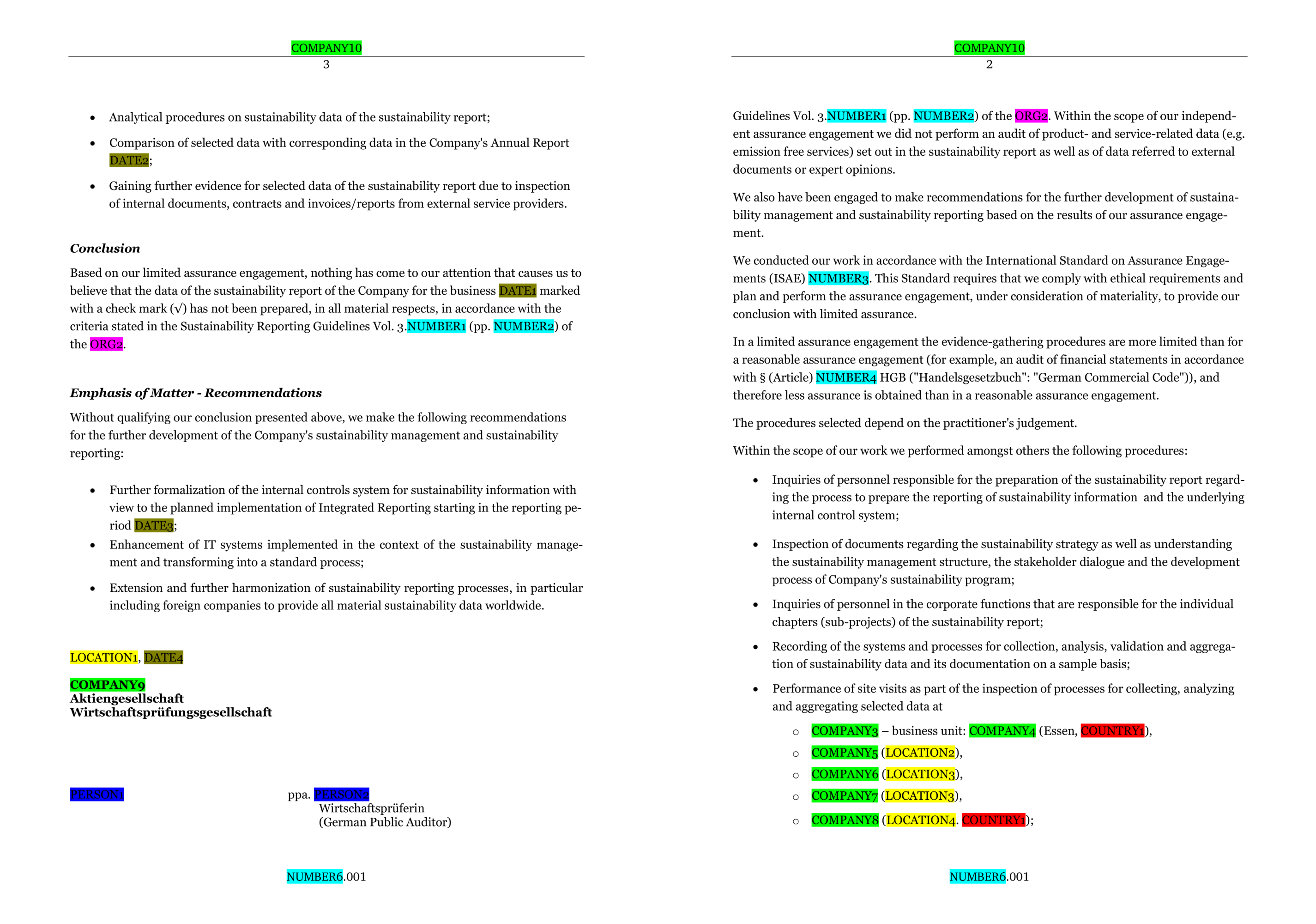
Easy anonymization within one minute
See how documents can be processed quickly and transparently with Glanos anonymization.ai. The video shows the typical workflow, from handover to usable output.
From sensitive document to usable output
1. Submit a document or text
Users upload Word, Powerpoint, Excel, PDF files, scans, emails and other formats containing contracts, case files, expert and business reports, letters, tickets, free-text fields, or internal knowledge documents via the web app, or transfer content automatically through the API.
2. Detect sensitive information
Based on the target process, the system determines how detected information should be handled. anonymization.ai analyzes the content and automatically identifies personal, confidential, or otherwise sensitive information. This includes names, addresses, or contact details and, depending on the use case, also indirect references, roles, organizations, locations, dates, file numbers, or domain-specific contextual information.
3. Optionally review and correct
For particularly sensitive processes, a manual review step can be included. Subject-matter experts or data protection officers can check the results before a document is reused.
4. Generate usable output
Depending on the process, the result may be anonymized, pseudonymized, or redacted versions, structured outputs, or API responses for downstream systems. For AI workflows, analytics processes, internal sharing, quality assurance, archiving, or publication.
AI projects don’t fail because the idea is weak. They fail because sensitive data stays locked behind compliance barriers.

The most valuable information often lies in unstructured documents – contracts, files, expert opinions, emails, case notes. This is where the expertise resides that makes AI relevant. But this very content is sensitive: personal data, professional and business secrets, internal details.
Manual redaction doesn’t work, it’s too slow, too error-prone, and not scalable for recurring processes. What’s missing is a controlled, auditable intermediate step. Without it, valuable data remains unused, shadow processes emerge, and AI pilots remain in experimental mode.
Others sell a tool. Glanos gives you back your data.
Most tools solve this by requiring you to integrate into their environment, their model, their workspace, their use cases. This gets your data moving, but it also ties you to that specific tool. Glanos reverses this approach: Instead of a tool you work with, you get your data back, processed and ready to use, wherever you want. Today in your operational processes, tomorrow in your own development, always with the AI of your choice.
This also relieves the burden on your employees: no manual redaction, no pressured deliberations about whether something can be released, the processing is controlled and transparent. And it’s not a one-off task, but an ongoing capability; data processed from the outset remains freely usable, reinforced by a regulatory framework (EU AI Act, DORA) that increasingly requires verified data use.
Use cases - Where anonymization.ai creates value
Relevant wherever sensitive content needs to be processed, shared, or made usable for AI. anonymization.ai protects operational data and preserves the knowledge base you have built over years, in compliance with GDPR and confidentiality requirements.
Security, governance, and operations
Auditable for data protection, IT, and security
Sensitive content needs more than good detection. What matters is an operating model that fits data protection, IT security, and governance requirements.
Glanos anonymization.ai is designed to be embedded into auditable enterprise processes.
Industries
Many organizations possess valuable text data, but cannot readily use it for AI, analytics, or knowledge management.
In documents, emails, reports, and case files, personal data, confidential information, and identifying contextual details are often deeply embedded in free text.
The same principle applies in every industry: The processed data belongs to you and remains open to any AI and any use case — not tied to a single tool.
Why Glanos?
 Anonymization is not a magic button. It is a controlled process that combines technology, domain understanding, and clear governance.
I believe trust in this environment is not created by algorithms alone. It is created through transparent communication, realistic assessment, reliable implementation, and contacts who remain available after the installation.
That is why we support projects not only with a product, but with an understanding of the perspectives of business departments, IT, data protection, and security.
Dr. Christian Bauer – Your contact